
Meta Description:
India’s new CNAP caller ID system will display verified SIM-linked names directly from telecom databases, replacing unreliable third-party apps like Truecaller.
TRAI Approves CNAP: India’s Official Caller Identification System
The Telecom Regulatory Authority of India (TRAI) has officially approved the implementation of Calling Name Presentation (CNAP) — a network-based caller ID system designed to show verified names of callers directly on your screen. This new system is being developed as a secure, government-backed alternative to Truecaller, and is expected to be rolled out nationwide by March 31, 2026.
Currently in the testing phase with major telecom operators, CNAP aims to reduce spam calls, boost transparency, and enhance trust in voice communications across the country.
What Is CNAP (Calling Name Presentation)?
The CNAP system is a telecom-level caller identification feature that fetches the caller’s verified name directly from telecom KYC (Know Your Customer) records. Unlike third-party apps that rely on crowdsourced or potentially inaccurate data, CNAP uses official, verified information linked to the user’s SIM card.
This ensures that when someone calls, the recipient sees the real, verified name — not just a random label or number — giving users a much clearer idea of who is calling.
How Does CNAP Work?
Here’s a quick look at how the CNAP caller ID system functions:
• When a person makes a call, the recipient’s telecom network requests the caller’s name from a secure CNAM (Calling Name) database.
• The verified name — linked to the SIM holder’s KYC details — is fetched in real time.
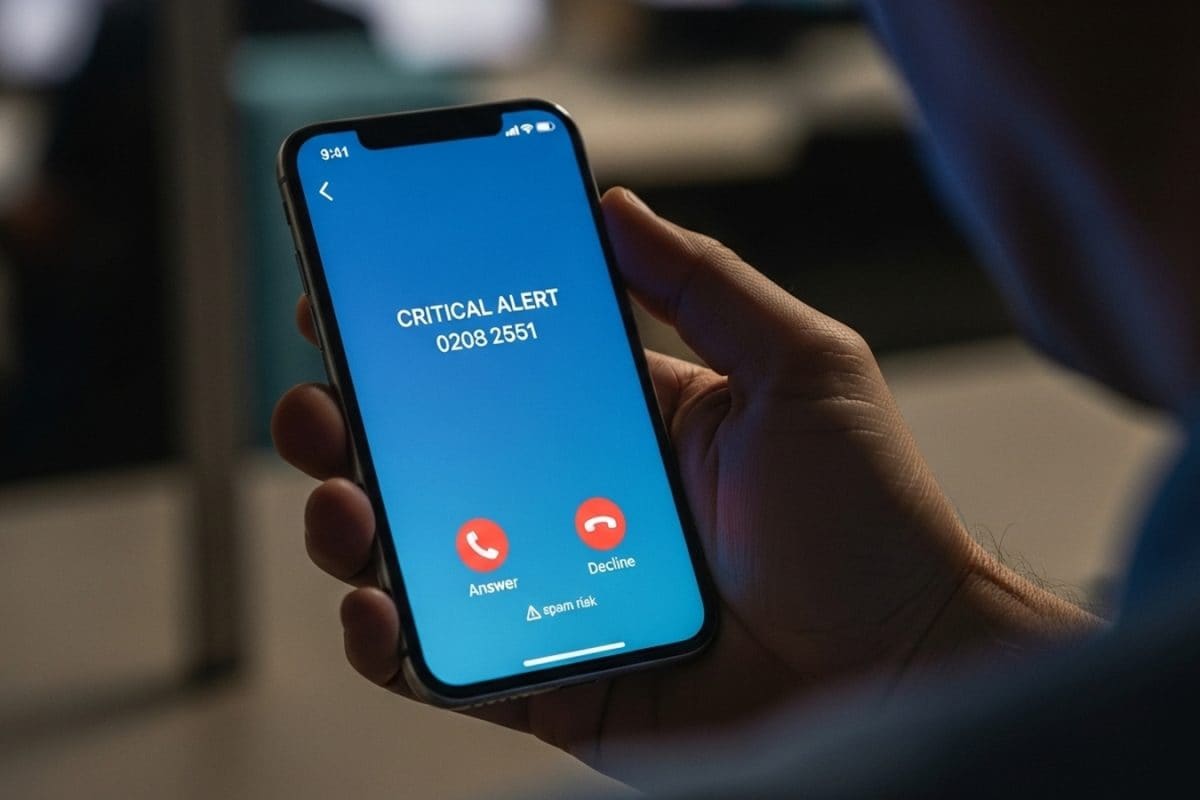
• The name is then displayed on the recipient’s phone screen, whether it’s a smartphone or a basic feature phone.
This entire process happens within seconds, providing instant, verified caller identification.
Key Features of CNAP
• Verified Caller Names: Displays the official SIM-linked name from telecom KYC records.
• Works on All Phones: Compatible with smartphones and feature phones alike.
• Secure and Reliable: Pulls data from secure telecom CNAM databases instead of user-generated data.
• Reduced Spam and Scams: Makes it easier to identify fraudulent or spam callers.
• Opt-Out Option: Users can choose to disable CNAP by contacting their telecom operator.
Centralized Database and Operator Collaboration
According to TRAI, the CNAP system may use a centralized or shared database, jointly managed by telecom companies. This approach will allow for faster name lookups, consistent performance across networks, and standardized caller identification for all users in India.
The Department of Telecommunications (DoT) has already conducted trials in several Indian cities on 4G and 5G networks. Results showed that CNAP worked reliably after a few necessary network upgrades, confirming its feasibility for large-scale rollout.
When Will CNAP Launch Nationwide?
TRAI has set a target date of March 31, 2026, for the nationwide rollout of the CNAP caller identification system. Telecom providers are currently integrating the technology into their networks and ensuring compatibility with both new and existing devices.
Once fully operational, CNAP could replace third-party caller ID apps like Truecaller, offering officially verified information without relying on crowdsourced databases.
Why CNAP Matters for Indian Users
CNAP is a big step toward enhancing trust and safety in India’s telecom ecosystem. With the growing number of spam and scam calls, users often depend on third-party apps that may not always provide accurate data.
By displaying the official KYC-linked name, CNAP will help users instantly verify who’s calling, making communication safer and more transparent.
Final Thoughts
India’s CNAP caller ID system is poised to revolutionize how we identify callers. With verified names fetched directly from telecom records, CNAP ensures a secure, accurate, and transparent calling experience.
As the system moves toward its 2026 nationwide launch, users can look forward to a future where spam calls are easier to detect and caller identity is always trustworthy — all without needing any third-party app.


0 Comments